
Scenario · Medical Devices

Device interest into qualified evaluations

A medical device team had collected demonstration requests without identifying the institutional decision owner. We built evaluation material for each buying role, clarified approved application claims and assigned follow-up around the purchasing process.

Client
Leading medical devices organization
Sub-industry
Medical Devices
Engagement
Embedded
Pillars
Assembled · Growth
Window
90 days
+50%
Qualified device evaluations

16 → 24

+75%
Approved purchasing decisions

4 → 7

−33.3%
Median inquiry-to-evaluation time

45 days → 30 days

90 days
Measurement window

Comparable reporting periods

The situation

A medical device team had collected demonstration requests without identifying the institutional decision owner.

The work focused on qualified device evaluations, approved purchasing decisions, median inquiry-to-evaluation time. An evaluation was documented commercial review, not clinical efficacy. Purchase value assumed $80,000 per accepted order and did not imply patient outcomes.

Which activity helped qualified device evaluations, and what happened at the next decision?

The commercial question

What we did

Three moves, in order.

  • Sharpen

    Define the commercial outcome

    The priority was qualified device evaluations. The team used approved purchasing decisions and median inquiry-to-evaluation time to assess the next stages, with a clear distinction between activity and accepted outcomes.

  • Author / Architect

    Build the path to the next decision

    We built evaluation material for each buying role, clarified approved application claims and assigned follow-up around the purchasing process.

  • Generate / Gain

    Review progress against consistent measures

    The team compared qualified device evaluations, approved purchasing decisions, median inquiry-to-evaluation time across the agreed reporting periods. An evaluation was documented commercial review, not clinical efficacy. Purchase value assumed $80,000 per accepted order and did not imply patient outcomes.

What changed

Qualified device evaluations moved from 16 to 24. Approved purchasing decisions moved from 4 to 7. Median inquiry-to-evaluation time moved from 45 days to 30 days.

An evaluation was documented commercial review, not clinical efficacy. Purchase value assumed $80,000 per accepted order and did not imply patient outcomes.

We calculated relative changes from the baseline and comparison values and reported conversion or retention changes in percentage points. We rounded displayed changes to one decimal place where needed. The figures did not establish that marketing caused the outcome.

Measurement window: Two six-month medical-device account cohorts, with a 90-day decision follow-up.

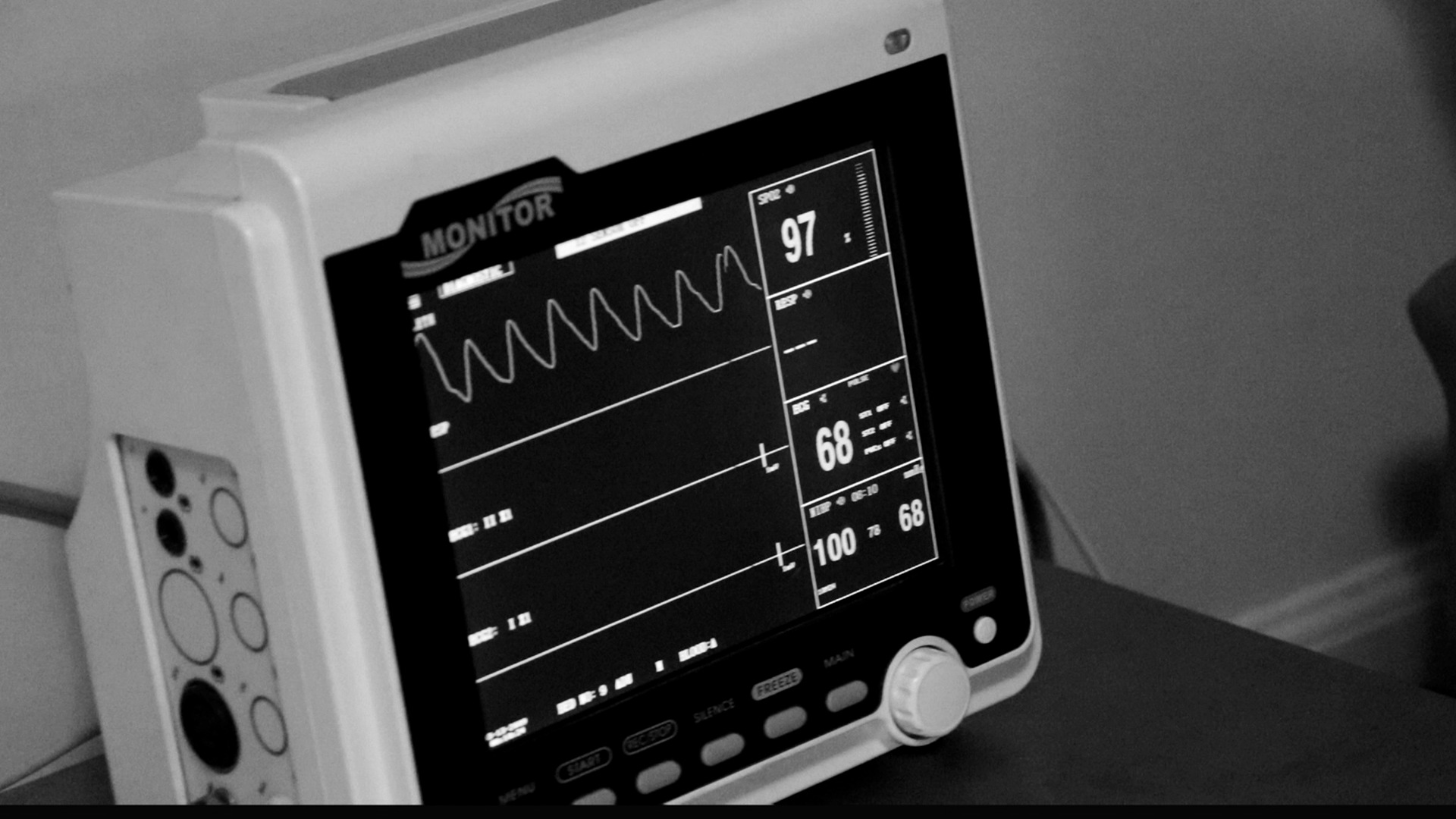
Medical Devices industry photograph
Where this sat in the system
01–02

Strategic

03–04

Assembled

Core
05–06

Growth

Core

Services in this example
Positioning & Messaging Creative & Content Development Digital Experiences Customer Insights Product & Portfolio Strategy Account-Based Marketing Campaign Development

Related reading

Explore the medical devices growth system.

Next step

Same problem?

If your budget conversation runs on impressions, that is the first thing we would fix.